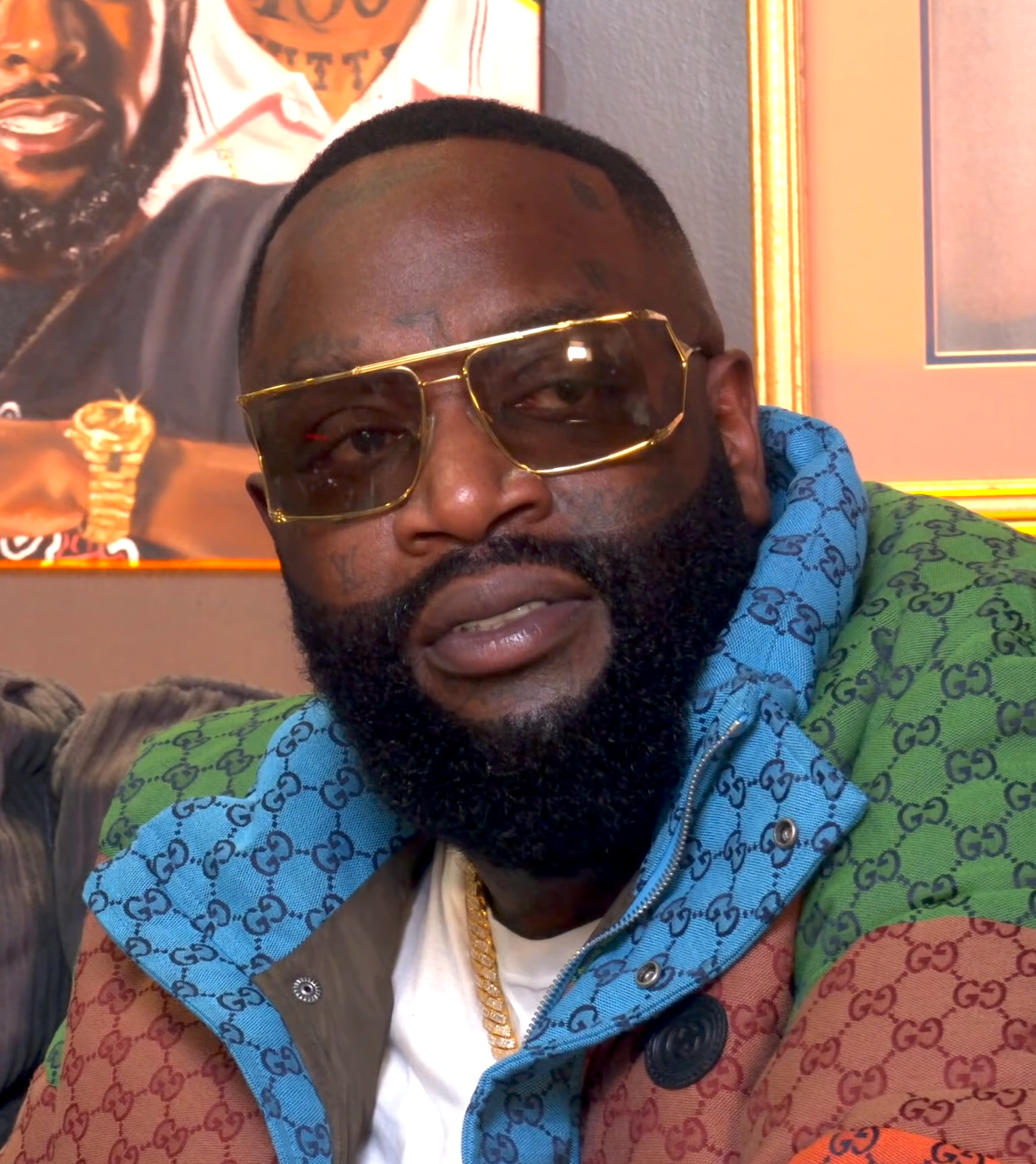
William Leonard Roberts II — the Bawse, Rick Ross — has never been subtle about what he wants. Power, luxury, ownership. And more than almost any rapper of his generation, he's actually built it.
Ross's portfolio is a masterclass in diversification: restaurants, alcohol, real estate, a record label, and luxury goods. At an estimated $150M net worth, he's proof that the flexing in the music is just advertising for the business underneath.
THE ORIGIN: CAROL CITY TO CARTEL ECONOMICS
Raised in Carol City, Florida — a Miami suburb — Roberts grew up around the kind of hustle that either swallows you or sharpens you. He chose sharpening.
After a brief stint as a correctional officer (a detail he tried to hide but later addressed), he signed to Slip-N-Slide Records, then Def Jam. His debut 'Port of Miami' went platinum in 2006. But unlike many rappers who burn their label advances, Ross was already thinking like an investor.
THE BLUEPRINT: THE BAWSE PORTFOLIO
Wingstop Franchises — Ross owns 25+ Wingstop franchise locations across the American South. Each unit generates $1M–$1.5M in annual revenue. His total Wingstop revenue is estimated at $25–35M annually. He didn't just invest in the brand — he operates the locations, builds them out, and runs them like a real operator.
Belaire Rosé & Luc Belaire — Ross became a brand ambassador, then a co-owner, of Luc Belaire — the French sparkling wine brand that became a cultural touchstone through hip-hop. Annual sales exceed $200M globally. His equity stake represents tens of millions in value.
Maybach Music Group (MMG) — His record label, signed to Atlantic Records for distribution, has featured Meek Mill, Wale, and Gunplay. A label deal is a cash-flow and equity vehicle — not just a passion project.
Real Estate — His 235-acre estate in Fayetteville, Georgia — formerly owned by boxer Evander Holyfield — cost $5.8M and is now worth significantly more. He owns multiple other properties across Florida and Georgia.
PromiseLand Farm — Hundreds of acres of farmland in Georgia, used for agriculture and livestock. This is generational asset building in the most literal sense.
Luxury Brand Partnerships — Perfume lines, clothing collaborations, and lifestyle brand deals across the board. Each one is income stacked on income.
THE PIVOT: FROM RAPPER TO RESTAURANT MOGUL
The Wingstop pivot is Ross's most studied business move. He didn't invest in a tech startup. He didn't start a hedge fund. He bought franchises in a proven, recession-resistant business.
Why wings? Because everyone eats. Because the franchise model eliminates product development risk. Because the margins, with smart operations, are solid. And because wings are a cultural staple in the communities he serves.
It's not glamorous. But it's consistent. And consistency builds empires.
THE EMPIRE TODAY
At $150M net worth and climbing, Ross's wealth is more diversified than many Wall Street professionals. Real estate. Alcohol. Food service. Music. Farming. Each asset class moves differently — which means when one dips, others hold.
He's also become an unlikely business mentor, speaking openly about his Wingstop operations, his real estate strategy, and his investment philosophy. The Bawse is building a brand around boss thinking, not just boss aesthetics.
YOUR BLUEPRINT: BAWSE BUSINESS PRINCIPLES
- 1
Franchises are underrated wealth builders. A proven brand with your capital behind it eliminates the hardest part of business: finding product-market fit.
- 2
Diversify across asset classes. Real estate, food, alcohol, music — no single industry collapse can destroy a properly diversified portfolio.
- 3
Own land. Ross's farmland is a generational asset that produces and appreciates. If you can buy land, buy land.
- 4
Use your cultural credibility as leverage. The Belaire partnership worked because Ross's audience trusts his taste. Know what your authenticity is worth.
- 5
Stack passive income. Franchise revenue, streaming checks, real estate rents — the goal is cash flowing without your daily labor. Build those streams early.
Rick Ross turned braggadocio into blueprints. Every bar about wealth is backed by an actual asset. That's not coincidence — that's intention. Be the boss, but make sure the books back it up.
Hood Fortune Magazine
Where the Streets Meet Success


