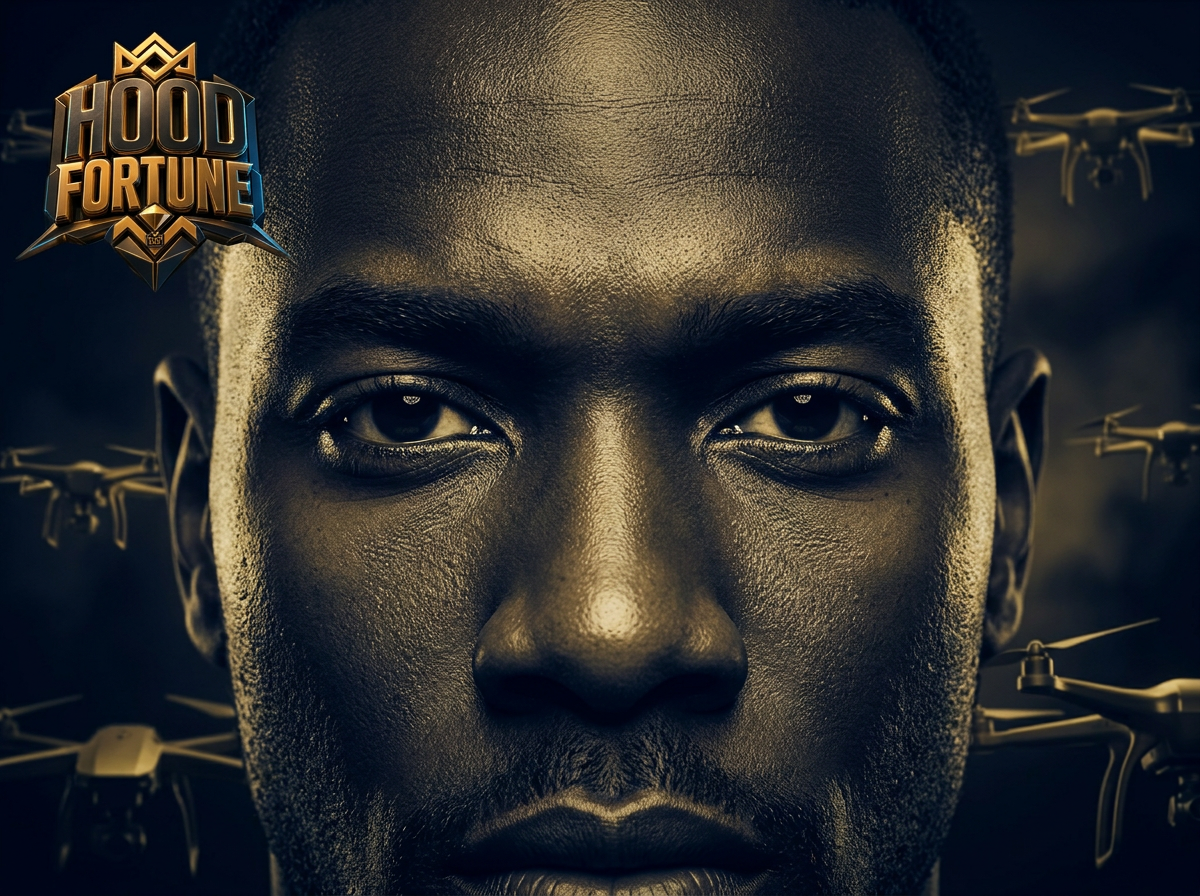
While Silicon Valley was busy celebrating the same roster of founders from the same schools with the same backgrounds, something else was happening. Black founders were quietly building. And the numbers they've put up should be making headlines every day.
From fintech to health tech, from SaaS to consumer apps, Black entrepreneurs have founded or co-founded companies that collectively represent tens of billions in value created. The media missed the wave. Hood Fortune is catching up.
THE NUMBERS THEY DON'T WANT YOU TO SEE
Black founders receive approximately 1% of all VC funding in the United States. And yet, the companies they build — often bootstrapped, often capital-efficient by necessity — punch above their weight class consistently.
Some examples: David Baszucki (Roblox co-founder), Tristan Walker (Walker & Company, acquired by Procter & Gamble), Jewel Burks Solomon (Partpic, acquired by Amazon), Philip Krim (Casper co-founder), and the entire ecosystem around Black-led VC funds like Harlem Capital, Concrete Rose, and Precursor Ventures.
The total value created by Black founders in tech since 2010 is estimated to exceed $50 billion — a number that would be far higher with equitable access to capital.
THE BLUEPRINT: HOW THEY DID IT WITHOUT VC MONEY
Revenue-first mentality — Many Black-founded tech companies focus on generating revenue early rather than burning VC money on growth. This forces a discipline that builds sustainable businesses.
Community as distribution — Black founders often have direct access to underserved markets that mainstream VCs don't understand. That access is a moat that capital can't easily replicate.
Operator networks — Organizations like Backstage Capital (Arlan Hamilton), Black VC, and AfroTech have created an ecosystem of Black tech investors, operators, and founders who share knowledge and capital.
Government and corporate contracts — Federal supplier diversity programs and corporate supplier diversity initiatives are a $60B+ annual market that savvy Black tech founders have learned to navigate.
THE PIVOT: FROM FOUNDERS TO FUNDERS
The most exciting development in Black tech isn't just the companies being built — it's the capital ecosystem forming around them. Arlan Hamilton took Backstage Capital from a pitch she made while homeless to $100M+ deployed into underrepresented founders.
Charles Hudson at Precursor Ventures. Brian Brackeen at Lightship Capital. These are Black people who built companies, learned the game, and then turned around to fund the next generation. The cycle is finally compounding.
THE STATE OF BLACK TECH TODAY
The 2024 landscape shows a Black tech ecosystem that is more organized, better funded, and more visible than at any point in history. AfroTech's annual conference draws 30,000+ attendees. Black founders are getting on the Forbes 30 Under 30. Acquisition exits are happening.
The gap in VC funding still exists. But the gap in excellence, execution, and vision has never existed. The market is finally catching up to what Black founders have always known: the hood produces builders.
YOUR BLUEPRINT: BREAKING INTO TECH
- 1
Join the ecosystem. Organizations like Black VC, AfroTech, and Backstage Capital are resources you should be tapping right now. Network is net worth.
- 2
Revenue-first beats hype-first. Build a product people pay for before you pitch investors. Revenue is leverage.
- 3
Understand government contracts. The federal supplier diversity market is underutilized by most Black tech founders. SBIR grants and 8(a) certification can fund early-stage development.
- 4
Build in public. Document your journey. The visibility creates opportunities that cold emails never will.
- 5
Seek Black capital first. Firms like Harlem Capital, Concrete Rose, and Precursor Ventures exist specifically to fund you. Start there.
The $50B wave isn't slowing down. It's accelerating. And the next generation of Black tech founders doesn't need mainstream Silicon Valley's approval to build — they need the blueprint, the network, and the conviction that they belong in every room they enter. They do. You do.

Hood Fortune Magazine
Where the Streets Meet Success